The Real Causes of Sibling Rivalry: What Your Kids Are Really Telling You
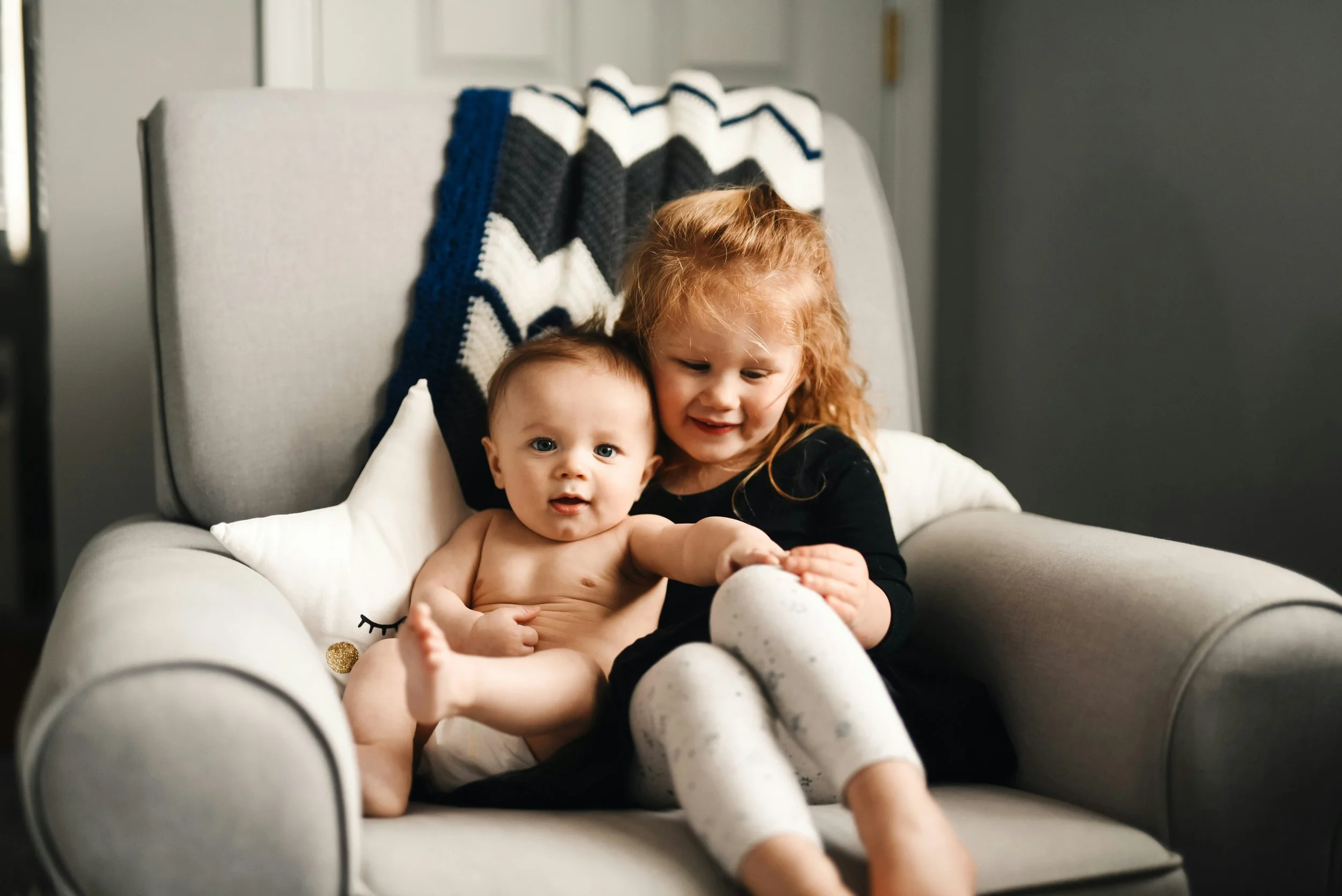
Jealousy can stir up great feelings and emotions. We can cultivate relationships and better understand what’s behind the needs of our child.
Jealousy isn’t bad behavior—it’s a signal your child needs compassion, reassurance and connection.
If you’ve ever thought, “Why can’t they just get along for five minutes?”—you’re like many parents out there. Sibling rivalry is one of the most common (and exhausting) challenges for families. And underneath much of that rivalry? Jealousy.
There’s good news here: sibling jealousy is developmentally normal. Even better news? When we respond with calm leadership and hold clear boundaries, rivalry becomes an opportunity to strengthen family connection rather than strain and drain it.
Why Sibling Jealousy Happens
Sibling jealousy isn’t about our child being “mean,” manipulative, or dramatic. It’s usually rooted in the fear of losing connection. Take a minute to pause and rethink, right here.
Children are wired to seek safety and closeness with their parents. When a sibling enters the picture—or seems to get more attention—their nervous system may interpret it as a threat:
“Am I still important?”
“Do I still belong?” “Do my needs matter, too?”
Sibling jealousy often increases when:
A new baby arrives
One child needs extra support or attention
Kids abilities, privileges, or praise is compared and noticed
Privileges feel unfair (“They get to stay up later!” “She never has to clean up!” “You never yell at her and you always yell at me!”)
To a child, love can feel like a limited resource that isn’t available to them even though it is. Their feelings and perception matters.
How Jealousy Shows Up as Rivalry
Because young children don’t yet have the language for jealousy, it often shows up through behavior.
You might see:
Tattling or constant comparisons
Competing loudly and boldly for your attention
Name-calling, pushing, or grabbing
Regression (“baby” behavior)
Emotional outbursts like: “You love him more!”
These behaviors are signals. Your child is looking and asking for reassurance, understanding and connection.
Lead with Calm: Your Self Regulation Comes First
When sibling rivalry flares, the most powerful tool you have isn’t the perfect script—it’s your calm nervous system.
Before stepping in, try:
Taking three slow deep breaths. Don’t skip this step.
Softening your shoulders and unclenching your jaw. Relax your face.
Lowering your voice instead of raising it. Whispering is a great tool.
Moving physically closer rather than shouting across the room. It’s so much better to go to them than to shout up the stairs.
Calm means steady, sturdy, grounded, and clear—which helps children feel safe enough to settle down, and they have a working example of what that looks like.
Setting Boundaries Without Shaming
Boundaries are essential during sibling conflict—not to control feelings, but to contain unsafe, unacceptable behavior.
A helpful approach: Name the feeling + Set the boundary + Teach the skill they don’t have =Change
Examples:
“I can see you’re feeling jealous. I won’t let you hit. You can tell me what you need instead.”
“You both want my attention. I can help you take turns, but I won’t listen or help while there’s yelling.”
“It’s okay to feel jealous of your brother. It’s not okay to hurt him. What can you tell him instead of hitting?”
This teaches children:
Your feelings are welcome. Your actions have limits.
Reduce Rivalry Before It Explodes
Sibling jealousy often softens when children feel secure in their relationship with you.
Try:
Daily one-on-one time (even 10 minutes) with each child makes a difference
Avoiding using labels like “the easy one” or “the smart one”
Narrating reassurance and your love, out loud: “I have enough love for both of you, not just for one of you.”
Coach their conflict instead of instantly fixing it
Letting toddlers participate helping with their new sibling, and show how you can hold each of them or sit together on your lap, at times.
These small moments build emotional safety—and safety reduces competition.
The Long View on Sibling Rivalry
Sibling rivalry doesn’t mean you’re doing something wrong. It means your children are learning how to:
Navigate jealousy and big feelings
Advocate for themselves
Adjust and pivot and become more flexible
Create, build and repair relationships
Live closely with others who matter and share space and possessions
When you lead with calm boundaries and connection, you’re teaching skills that last far beyond childhood.
And remember—you don’t need to be calm all the time. You just need to repair when things get messy. That’s connected, conscious parenting.
