Playfulness And Parenting Go Together
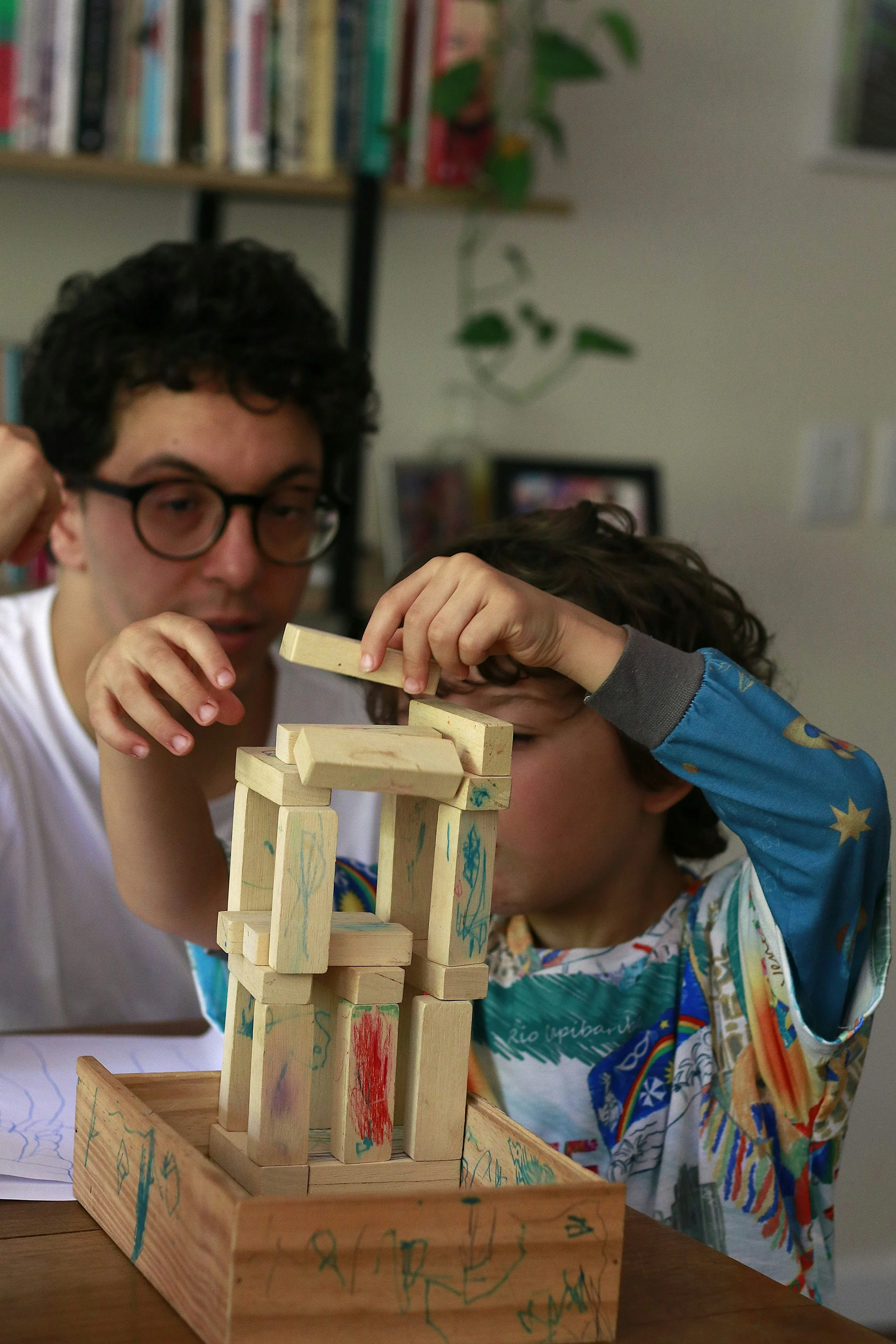
It is through play that children learn best. Play lowers stress hormones. When children feel safe and connected, their brains are more open to learning, listening, cooperating and problem-solving.
I know, there are always shoes and one particular shirt to find. Snacks to pack. Homework to supervise. Sibling squabbles to referee before the hitting starts and the screaming begins.
Somewhere along the way, fun quietly slips to the bottom.
But here’s a fun fact: having fun with your kids isn’t extra. It’s essential, and it’s an important part of the parent child relatiosnhip.
A book entitled Playful, by Cas Holman, teaches us that play shifts our thinking, inspires connection and sparks creativity. Isn’t this what we want for our children?
Lizzie Assa, author of But I’m Bored, teaches us that play is how children practice life skills such as waiting, turn taking, being empathetic, learn problem solving, and perspective taking.
When we prioritize a playful spirit and shared laughter, we’re building connection—the foundation that makes everything else in parenting work better.
Fun Builds Emotional Regulation
Children learn emotional regulation best through co-regulation. In addition to a warm hug and a soothing hold, nothing regulates the nervous system like joyful connection.Think about it. Have you ever noticed how your child melts down after a playful moment with you? A silly voice. A spontaneous dance party in the kitchen. A quick game of “guess the animal sound” while brushing teeth.
Laughter releases tension. Play lowers stress hormones. When children feel safe and connected, their brains are more open to learning, listening, and problem-solving.
In those light moments, you’re teaching:
Big feelings can move through us. We can reset and reconnect. We can do this together.
Psychologist Peter Gray explains it beautifully:
“Play is nature’s way of ensuring that young mammals acquire the skills they need to develop successfully into adulthood.”
In other words, play isn’t a break from development. It is development.
Play is where children learn how to be in control of their life, experience joy, and understand other points of view.
When we engage in fun with our children, we’re not distracting them from growth—we’re actively supporting the brain systems that make emotional regulation possible.
Fun Strengthens Positive Parenting
At the heart of positive parenting is relationship. Of course, family rules matter. Structure matters. But connection is what makes them stick.
When your child experiences you as someone who delights in them—not just corrects them—they become more cooperative and trusting. They want to stay close.
Fun communicates:
“I really enjoy you.”
“Being with you matters to me.”
“You mean so much to me.”
And here’s the bonus: when you consistently deposit positive moments into your child’s emotional bank account, the harder conversations don’t feel as heavy. The lightness of joy carries you through.
Fun and Setting Boundaries Can Coexist
Are you concerned that being playful could undermine your authority as a parent?
It’s a common and understandable worry. Many parents equate seriousness with leadership. But in reality, warmth and parental authority are not opposites—they are partners.
Connection before correction changes everything.
With a small child, a playful tone can ease transitions:
“The Toothbrush Olympics begin in five minutes!”
A calm but firm limit can still carry steadiness and clarity:
“ You’re mad at Jesse. I’m here to help you. I won’t let you hit.”
With an older child, “You want to keep playing and I said game time is over. I know it’s not what you want, and that’s how it is. Device off.”
Boundaries provide safety. Fun provides warmth. Children need both.
In fact, when children feel securely connected, they are more receptive to limits. Play builds trust. Trust strengthens cooperation. And cooperation makes setting boundaries more effective—not less.
Authority grounded in relationship is far more powerful than authority rooted in fear.
Fun Is Key
When families only connect during logistics or discipline, tension quietly builds. But five minutes of genuine play—where your phone is down and your child leads—can refill everyone’s emotional bank account.
It doesn’t have to be elaborate.
Build a blanket fort.
Play Candy Land or another favorite game
Create ridiculous stories at bedtime.
Take a flashlight walk after dinner.
Small, consistent moments matter more than big, occasional outings.
And What About You?
Here’s the part we don’t say enough: fun benefits you, too. The book mentioned at the top, Playful, teaches adults how to recapture this and how it helps us lead a happier life.
Parenting is demanding. Play reminds you that joy still lives in your home—even on hard days. It shifts you from manager to participant. From referee to teammate.
So ask yourself:
When was the last time you truly laughed with your child?
You don’t need to be an entertainment director. You don’t need a color-coded craft bin.
You just need presence, a playful spirit, and the willingness to be even slightly silly.
Connection is built in ordinary moments. And sometimes, the most responsible thing you can do as a parent… is start a dance party in the kitchen.
