Respond, Don’t React
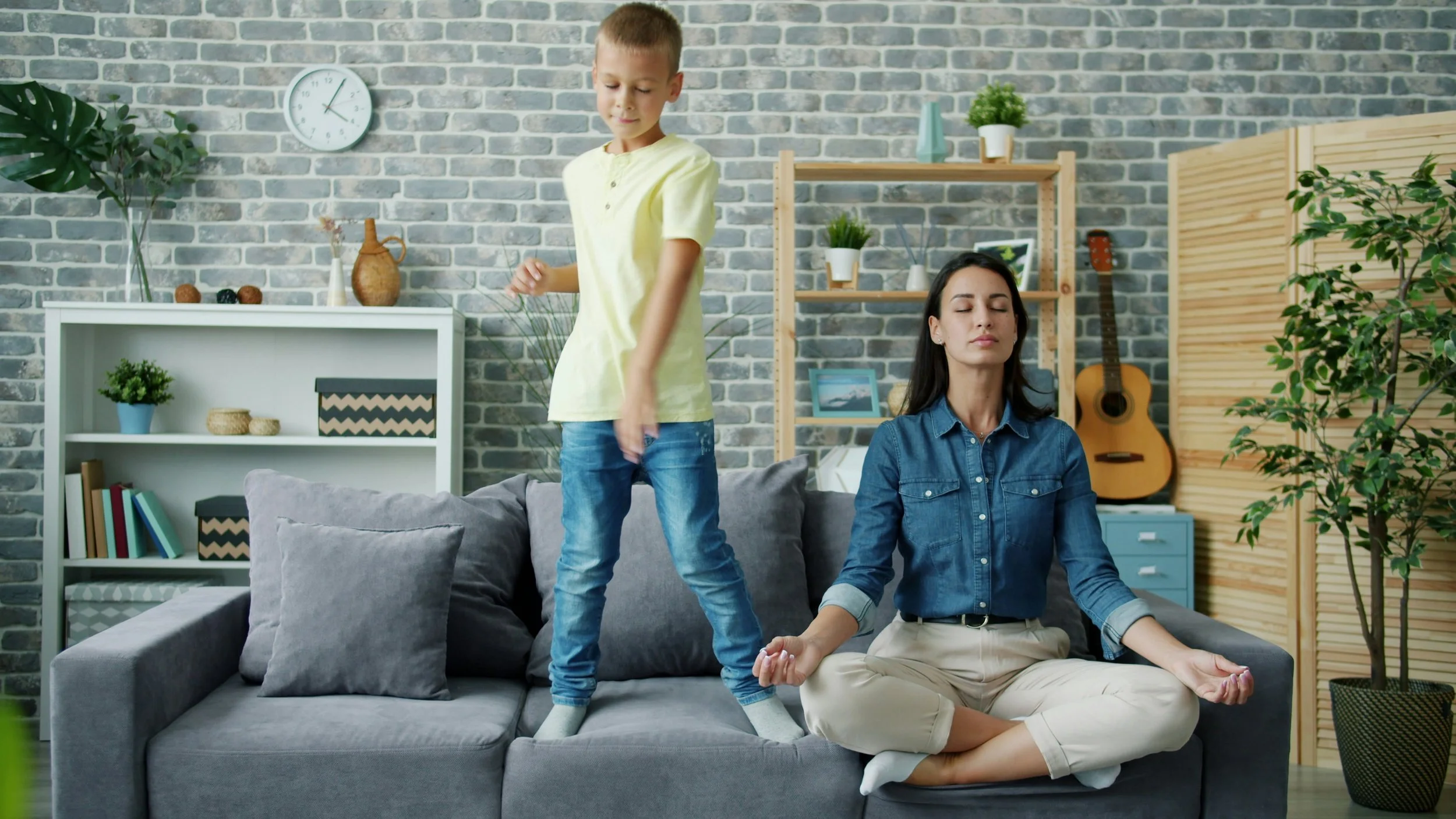
A reactive parent sets a reactive tone. A responsive parent sets a different kind of tone; one that is calm, grounded and more patient.
What happens to you when your children are at it again screaming, fighting, whining, wildly running around, ignoring you and pushing back? What happens inside you? Other than wanting to disappear and get beamed to another more pleasant place and time, what do you do?
In conscious parenting and in positive parenting, whether you choose to react or respond really matters.
Many parents come to me with a common dream: They want a calmer home and they want to change how they parent, moving from being reactive and yelling, to being responsive and self regulated. I tell them that this dream is possible, and we make it happen.
A simple fact: some of us are more triggered and easily angered than others. How we were parented, how we manage stress, what our expectations are, and how we display our anger can either solidify these same behaviors in our child or can teach coping and self regulation skills.
Using conscious parenting, managing our emotions and our responses is pivotal in teaching our child how to manage theirs.
Afterall, parents are their child’s most important and influential teacher, and everything we say and do teaches our child the same behavior.
What does a reactive parent do?
A reactive parent:
Is impatient and has a short fuse
Body tenses, jaw clenches, heart races
Becomes authoritarian; demanding and inflexible.
Becomes permissive and lets undesired behavior continue just to avoid dealing with it rather than teaching a new, preferred behavior.
There are many benefits to being responsive and conscious in our parenting:
We are teaching, modeling and fostering emotional regulation. When we manage our response system, our child learns through co-regulation how to do the same. They benefit from our calm energy.
Our calm response helps deescalate a situation, making the fire smaller and easier to extinguish.
Our calm response builds trust and deepens connection, which helps children feel heard, seen and understood. We all need this, especially children, who often feel so misunderstood.
Our nervous system is not in fight, flight or freeze, allowing us to feel more in control, less stressed and more empathetic.
Let’s us slow down, be in the moment and be present, which helps us choose to respond.
We are more attuned to our child and their needs, and we can better meet their needs so they can then meet ours in return.
We can’t control our child’s emotions, but we can control our own
What you can do:
Pause and check in with yourself. “Why is this behavior triggering me? Have my needs been met today?” Take deep breaths and get yourself self regulated. You can do this. This is your job.
What is your child’s behavior telling you? Are they frustrated, hangry, tired, disappointed? Tune in to them and meet their need.
Be empathetic. “My child is having a hard time and needs my understanding.”
Listen to their point of view and take in their perspective. Kids need to feel heard, seen, safe, understood and respected.
It’s not easy, but it’s doable. Especially when we recognize how our triggers affects the challenges. Repair is always possible. And with more mindfulness and intention, we can choose to respond and not react.
