Struggle Builds Skills and Grows Confidence
They are working, playing, doing. We see where the mistake is and jump in and correct their attempt, show them the better way, or give the answer and solve the problem for them. What if all our good intentions are actually setting your child up for feeling incapable, inadequate, and unable to face challenges and are easily overwhelmed?
This is not a revelation. As parents we love our children so much and want the best for them. We want them invited to birthday parties and to be liked and be void of rejection. We want them to succeed and be successful at all ages and to excel and do well in school, and in life itself. We want them to handle disappointments. We want things to come easily and without struggle. But what if struggle is exactly what our child needs?
Struggle looks different at different ages:
Your toddler has limited language and vocabulary and is frustrated and screams, unable to tell you what’s wrong or what they want
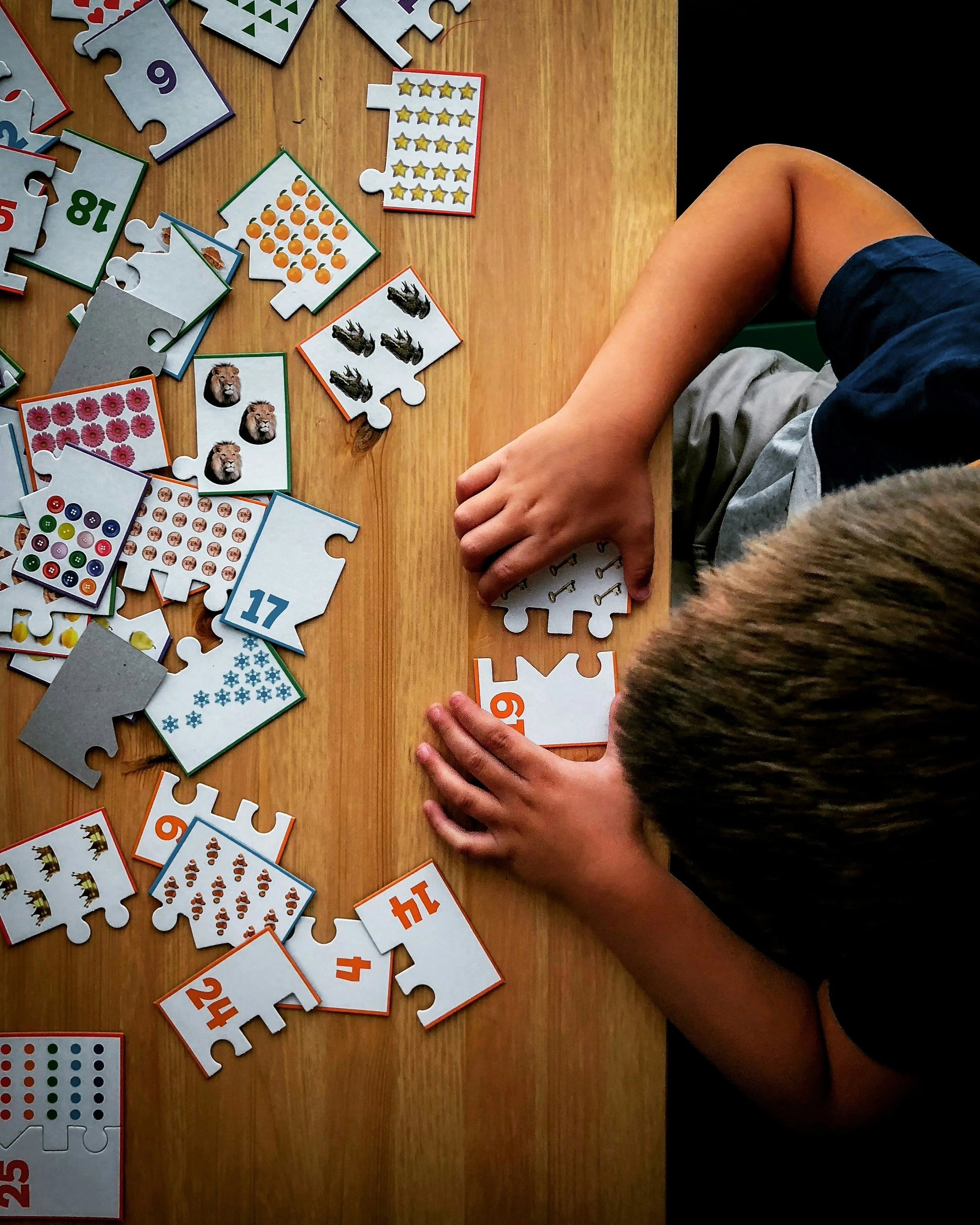
Your four year old is struggling zipping their jacket or completing a puzzle.
Your seven year old is struggling being on a sports team
Your 12 year old is struggling with friendships and feels left out.
As parents, our instinct is to jump in and fix it for them- to zip their jacket, to do the puzzle for them, to yell at the coach or to call the other parent. Struggle can be understood and supported by letting them sit with struggle and come to the other end of it feeling more confident and capable.
Don’t Fix It For Them. It Doesn’t Help In The Long Run
It feels so natural and intuitive. Your child is struggling putting their shoes on correctly, and you do it for them. Job done.
What happens when you do this? What message does it give your child? What does it teach them? Why is it important to let kids struggle? Helping too much can get in the way of helping our child grow.
Letting your child struggle doesn’t mean you don’t support them when they are overwhelmed or genuinely need help. After all, sometimes they just don’t have the skill needed. Often we are on autopilot. We are so busy, we are in such a hurry, we just want to get through it and automatically do if for them to avoid the struggle, the frustration, the hardship.
Giving support means giving them opportunities to struggle, to figure it out, and eventually overcome that challenge, face mistakes and disappointments. Letting your child struggle can be an act of love.
Dr. Shifali, clinical psychologist, writes that no child is too exceptional or special to face rejection or heartbreak. When we over protect children from ordinary experiences like not getting a trophy, “we rob them of learning we can survive life as it shows up in it’s messy and uncomfortable ways.”
What Happens When We Rescue Too Quickly And Why It’s Important To Let Kids Struggle
Simply put, your child misses the opportunity to discover their potential, to discover their abilities, their problem solving skills and that they can figure out solutions and overcome challenges. This is vital in Positive Parenting. Overparenting gets in the way in how we teach our child to do hard things. It’s important to let kids struggle. Overparenting or snow plow parenting, removes obstacles for them instead of guiding them through it. Afterall, we have to go through it to get to the other side.
Our job is to foster resilience, to teach coping skills by building confidence and tolerating frustration. In parenting we teach problem solving skills and model what emotional regulation looks and sounds like.
Remember The Power Of The Pause:
Instead of removing the hard feeling, we step into it with them, embracing the challenge alongside them. “That tower keeps collapsing and it makes you frustrated and angry. I see that. What can you do differently?” “This math problem is tricky. What’s the very first step?” Before you jump in to rescue or help them take a moment to pause and ask yourself, “Does my child need my help or do they need a bit of coaching in order to figure it out without me giving them the answer?”
Connect. Pause. Coach. Let them try.
Building Resilience In Children:
The goal is a child who gradually learns:
I can be frustrated and keep going.
I can make a mistake and try again.
I can solve problems.
I can handle disappointment.
I can do hard things.
That's how resilience, independence, confidence, and emotional regulation grow—not because we make life easier for our children, but because we give them opportunities to discover that they can handle hard things.
